Media
Below is some past work from the Engelhart lab that has been featured in scientific and popular media.
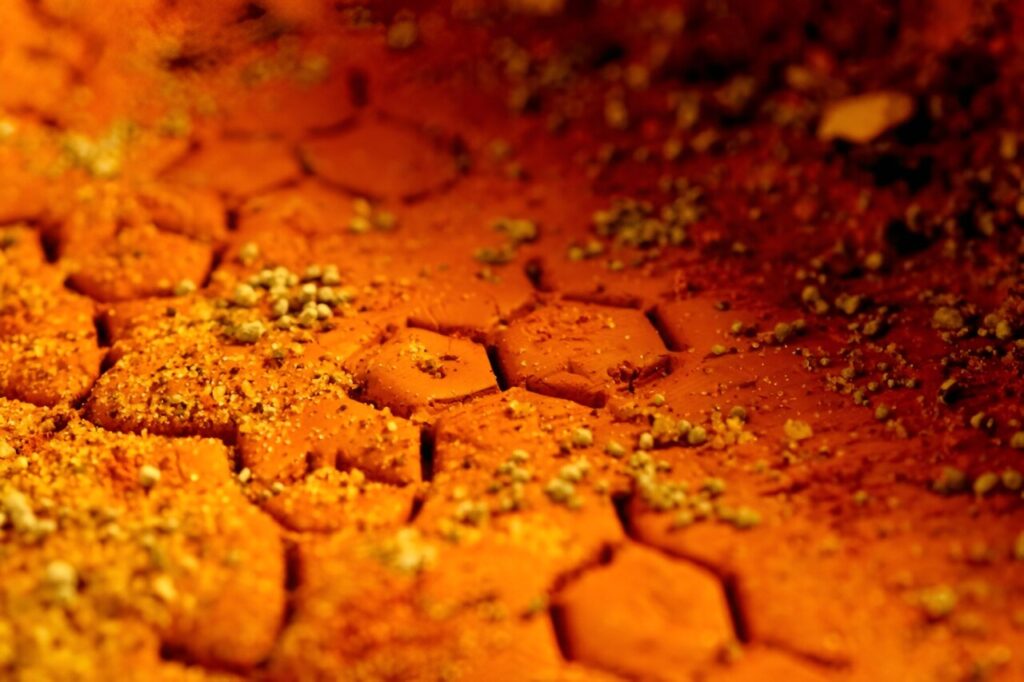
Emergent ribozyme behaviors in oxychlorine brines indicate a unique niche for molecular evolution on Mars Nature Communications (2024)
Featured in:
- RNA study reveals potential for life in Mars’ extreme environments (MARSDAILY)
- Exploring Extremes In The Search For Life On Mars (Astrobiology.com)
- The search for life on Mars is now stronger than it’s ever been (earth.com)
Nucleic acid electron transfer and halogenation chemistry on Earth, Mars, and Elsewhere (NoRCEL UK) (2024)
Aaron Engelhart - The RNA World on Mars (Polish Astrobiological Society) (2023)
The origin of life | Aaron Engelhart | Reason with science | Life on Mars | Astrobiology | NASA (2022)
Origins of Life: The Search for Life On Mars | Aaron Engelhart (Complexity Explorer) (2022)
ChiTownBio Plays Kerbal Space Program (w/ Dr. Aaron Engelhart) (2021)
TEDxBeaconStreet: “Life on Mars: Past, Present, Future?” (2019)
Breakthrough Discuss: “Getting to Mars and Surviving Upon Arrival” (2019)
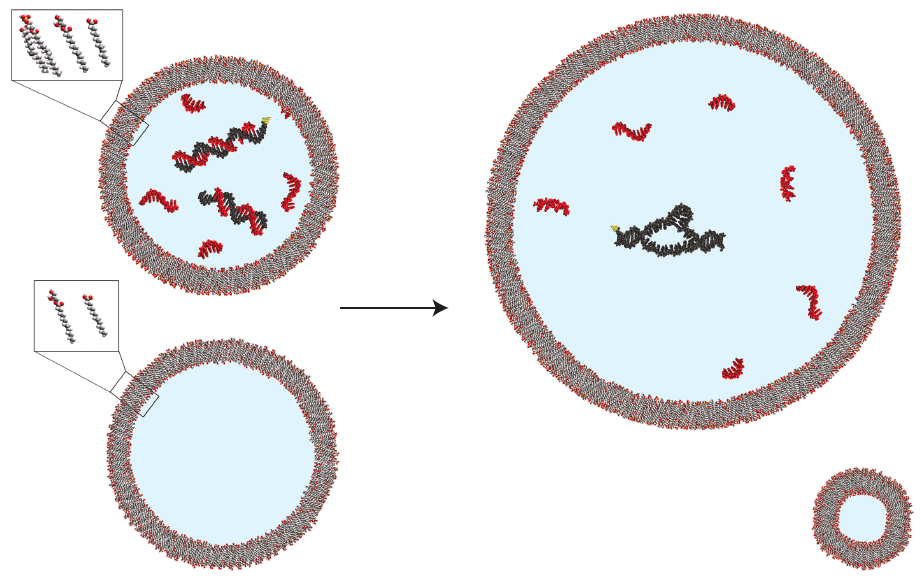
A simple physical mechanism enables homeostasis in primitive cells. (Nature Chemistry 2016)
Featured in:
Featured in:
- News and Views
- Nature Chemistry Editorial: “The Ascent of Molecules”
- Interview with Coauthor Matt Powner
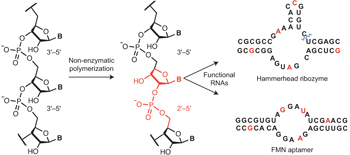
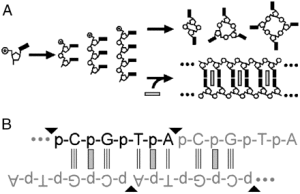
- C &E News Article: “At the Origin of Life, RNA May Have Been a Mixture”
Featured in:
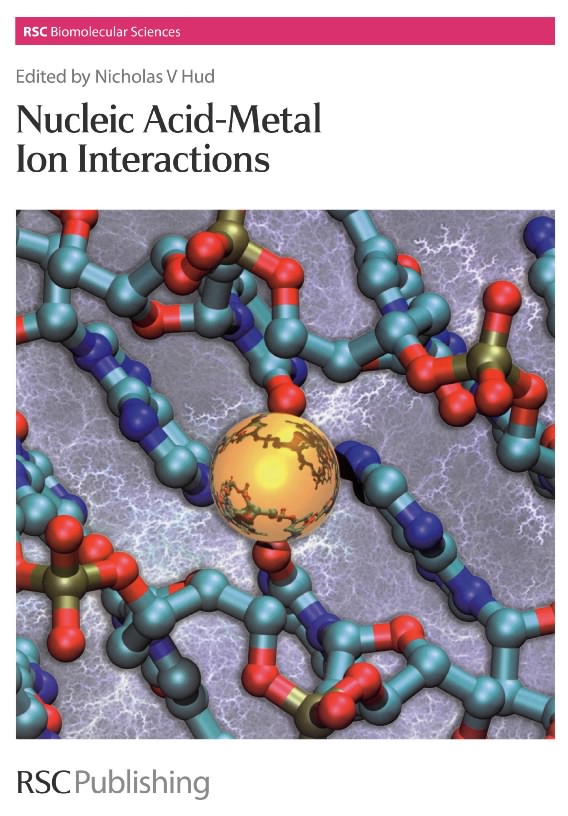
Metal ion interactions with G-Quadruplex structures and Sequence-Specific DNA-Metal Ion Interactions (Nucleic Acid-Metal Ion Interactions, RSC Publishing 2009)
Featured in:
- Book Review in Angewandte Chemie International Edition in English
- Book Review in Journal of the American Chemical Society